
Making money from music has never been more accessible than it is today. Gone are the days when artists had to rely solely on record labels for financial success. Thanks to digital streaming platforms, social media, independent music distribution, and online marketing, musicians now have multiple opportunities to generate consistent income while maintaining creative control.
Whether you’re a singer, rapper, producer, songwriter, DJ, instrumentalist, or independent record label owner, understanding how the modern music business works can transform your passion into a profitable career.
In this comprehensive guide, you’ll learn the best ways to make money from music and build multiple income streams that can sustain your career for years to come.
Why Every Musician Needs Multiple Income Streams
One of the biggest mistakes independent artists make is depending on only one source of income.
For example, Spotify streaming alone rarely generates enough income for most artists. Successful musicians combine several revenue streams, including:
- Music streaming royalties
- Live performances
- Merchandise sales
- Publishing royalties
- Brand sponsorships
- Sync licensing
- Music lessons
- Fan subscriptions
- Digital products
Diversifying your income protects your career and creates long-term financial stability.
1. Earn Streaming Royalties
Streaming platforms remain one of the biggest sources of income for modern musicians.
Popular platforms include:
- Spotify
- Apple Music
- Boomplay
- Audiomack
- Deezer
- Amazon Music
- YouTube Music
- Tidal
Every stream generates royalties that are paid through your music distributor.
Although payouts vary across platforms, growing your audience consistently can result in significant monthly earnings.
Tips to Increase Streaming Revenue
- Release music consistently
- Optimize your artist profile
- Submit songs to playlists
- Promote songs on social media
- Encourage fans to save your music
- Build pre-save campaigns
2. Distribute Your Music Worldwide
You cannot earn streaming income unless your music is available on digital stores.
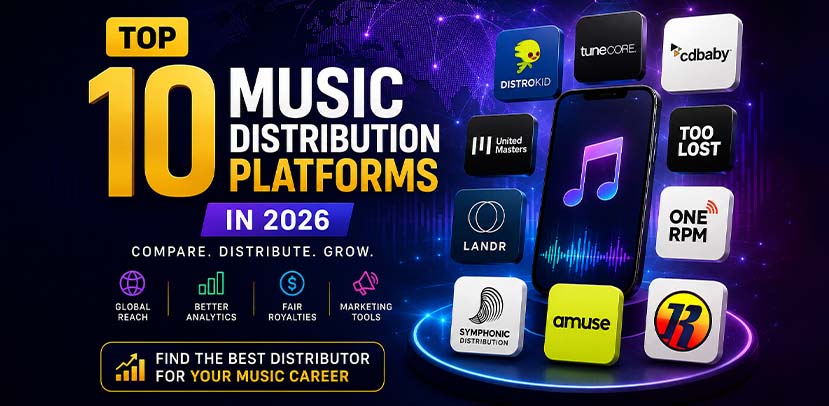
A music distributor delivers your songs to hundreds of streaming platforms while collecting royalties on your behalf.
Benefits include:
- Global distribution
- Royalty collection
- Release scheduling
- Smart links
- Artist profile verification
- Analytics dashboard
Choosing the right music distribution partner is one of the most important business decisions an artist can make.
3. Perform Live Shows
Live performances remain one of the highest-paying opportunities for musicians.
Income sources include:
- Concerts
- Festivals
- Weddings
- Clubs
- Corporate events
- Church events
- Campus tours
- Private parties
Artists who build strong local audiences often generate more income from performances than streaming.
4. Sell Music Merchandise
Merchandise creates an additional revenue stream while strengthening your brand.
Popular merchandise includes:
- T-shirts
- Hoodies
- Face caps
- Posters
- Phone cases
- Wristbands
- Stickers
- Vinyl records
- CDs
Fans love supporting artists by purchasing branded products.
5. Monetize YouTube
YouTube offers several ways to earn money.
Revenue sources include:
- Advertising revenue
- YouTube Music royalties
- Channel memberships
- Super Chats
- Brand sponsorships
- Affiliate marketing
Posting more than just music videos can significantly increase your earnings.
Ideas include:
- Studio sessions
- Behind-the-scenes videos
- Vlogs
- Music tutorials
- Song breakdowns
- Live performances
6. Earn Music Publishing Royalties
Songwriters earn money every time their songs are:
- Streamed
- Performed live
- Played on radio
- Used in TV
- Used in films
- Used in advertisements
Publishing royalties are separate from streaming royalties.
Many artists fail to register their songs properly, leaving money unclaimed.
7. License Your Music for Film, TV, and Games
Sync licensing allows companies to use your music in:
- Movies
- Television
- Netflix productions
- Commercials
- Video games
- Mobile apps
- YouTube content
- Podcasts
One licensing deal can earn significantly more than thousands of streams.
8. Sell Beats and Instrumentals
If you’re a producer, your beats are valuable assets.
You can sell:
- Exclusive licenses
- Non-exclusive licenses
- Custom beats
- Sample packs
- Drum kits
- Loops
- MIDI packs
Many producers generate full-time income without releasing songs as artists.
9. Offer Songwriting Services
Many successful artists earn money writing songs for other musicians.
Services include:
- Songwriting
- Hook writing
- Ghostwriting
- Melody creation
- Lyric editing
Strong songwriting skills are always in demand.
10. Teach Music Online
Teaching is one of the most reliable forms of music income.
You can teach:
- Singing
- Piano
- Guitar
- Music production
- Songwriting
- Music theory
- Mixing
- Mastering
Offer lessons through:
- Zoom
- Google Meet
- Private coaching
- Online courses
11. Create a Fan Membership Community
Loyal fans are willing to support artists directly.
Offer members:
- Exclusive songs
- Early releases
- Live Q&A sessions
- Private communities
- Behind-the-scenes content
- VIP merchandise
Recurring subscriptions provide predictable monthly income.
12. Sell Digital Products
Digital products require little ongoing maintenance after creation.
Ideas include:
- E-books
- Vocal presets
- Mixing templates
- Music production courses
- Songwriting guides
- Sample packs
Digital products can become passive income sources.
13. Monetize Social Media
Your social media presence can generate revenue through:
- Sponsored posts
- Affiliate marketing
- Creator funds
- Brand partnerships
- Product promotions
Growing your audience increases your earning potential.
14. Join Brand Sponsorships
Brands seek musicians with engaged audiences.
Partnership opportunities include:
- Clothing brands
- Beverage companies
- Technology brands
- Lifestyle products
- Mobile apps
- Audio equipment
Even micro-influencers can secure sponsorship deals.
15. Collect Performance Royalties
Whenever your songs are played publicly, you may be entitled to performance royalties.
This includes:
- Radio stations
- Television
- Restaurants
- Clubs
- Hotels
- Live venues
Ensure your songs are properly registered to collect these royalties.
16. Build an Email List
Unlike social media followers, an email list gives you direct access to your fans.
Use email to promote:
- New releases
- Concert tickets
- Merchandise
- Exclusive offers
- Crowdfunding campaigns
Email marketing often delivers higher conversion rates than social media.
17. Crowdfund Your Projects
Fans can help finance:
- Albums
- Music videos
- Tours
- Merchandise
- Studio equipment
Offer exclusive rewards in return for their support.
18. Sell Physical Music
Despite the rise of streaming, many fans still buy:
- Vinyl
- CDs
- Limited editions
- Signed copies
Collectors often pay premium prices for exclusive releases.
19. Become a Session Musician
Many artists hire professionals to record instruments or vocals.
You can earn by recording:
- Guitar
- Bass
- Drums
- Piano
- Vocals
- Strings
- Brass
Remote recording has made this easier than ever.
20. Build Your Personal Brand
Your music is only part of your business.
A strong artist brand helps attract:
- Fans
- Sponsors
- Booking agents
- Media coverage
- Investors
Maintain consistent branding across all platforms.
21. Invest in Music Promotion
Even great music needs visibility.
Promotion strategies include:
- Playlist pitching
- Radio promotion
- TV promotion
- TikTok campaigns
- Instagram ads
- Facebook ads
- YouTube ads
- Music blogs
- Press releases
The more people hear your music, the greater your earning opportunities.
22. Register with Royalty Collection Organizations
Many musicians lose money because they don’t register their works with the appropriate rights organizations.
Proper registration helps ensure you receive:
- Performance royalties
- Mechanical royalties
- Publishing income
- International royalties
Keeping accurate metadata for every release is essential.
23. Create Content Consistently
Modern artists are also content creators.
Share:
- Rehearsals
- Songwriting sessions
- Daily life
- Studio clips
- Challenges
- Live streams
Consistent content keeps fans engaged between releases.
24. Network Within the Music Industry
Relationships often create opportunities.
Attend:
- Music conferences
- Festivals
- Industry showcases
- Networking events
- Workshops
Collaborating with producers, DJs, managers, and fellow artists can open doors to new revenue opportunities.
25. Treat Music Like a Business
Successful musicians think like entrepreneurs.
Track:
- Revenue
- Expenses
- Royalties
- Marketing ROI
- Fan growth
- Streaming analytics
Understanding your numbers helps you make smarter business decisions.
Common Mistakes That Prevent Artists from Making Money
Avoid these costly errors:
- Releasing music without promotion
- Ignoring publishing royalties
- Depending only on streaming income
- Not collecting all royalty types
- Inconsistent releases
- Poor branding
- Weak social media presence
- Neglecting fan engagement
- Failing to build an email list
- Skipping professional distribution
Final Thoughts
Learning how to make money from music requires more than talent—it requires strategy, consistency, and a business mindset. The most successful independent artists don’t rely on a single paycheck. Instead, they build multiple income streams through streaming royalties, publishing, live performances, merchandise, licensing, content creation, and direct fan support.
Start by creating great music, distribute it globally, promote it effectively, register your works for royalty collection, and continuously engage your audience. Over time, these efforts can grow into a sustainable music career with diverse and resilient sources of income.
If you treat your music as both an art form and a business, you’ll be in a much stronger position to earn a living doing what you love.
Frequently Asked Questions (FAQs)
Can you really make money from music without a record label?
Yes. Independent artists can earn income through streaming, live performances, merchandise, publishing, sync licensing, fan memberships, and brand partnerships without signing to a traditional label.
How much do artists earn from streaming?
Streaming payouts vary by platform and depend on factors such as the listener’s location, subscription type, and overall royalty pool. Most artists combine streaming with other income sources for greater financial stability.
What is the fastest way to start making money from music?
Release your music through a digital distributor, promote it consistently, perform live, sell merchandise, and build a loyal fanbase. Combining several revenue streams typically produces results faster than relying on streaming alone.
Do independent artists own their music?
In many cases, yes. Independent artists usually retain ownership of their master recordings and can control how their music is distributed, licensed, and monetized, depending on the agreements they sign.